
Local problem · November 4, 2026
Who Pays for a Clogged Sewer Line
What the city says about sewer clogs, shared lines and who pays for what.
Read the guide
Published November 4, 2026 · Loveland Drain Clean
Loveland is a tree city, and ash is a big part of it. With emerald ash borer now here, many owners are wondering what happens underground when an ash tree near the sewer line declines or comes down.

Ash roots, like the roots of most large shade trees, can grow into a sewer line through loose joints and small cracks, where they feed on the water and nutrients inside the pipe. Once inside, they spread into a mat that catches paper and grease and slowly closes the pipe. In Loveland this is a timely topic: the city's Urban Forestry program says ash makes up roughly 20 percent of the canopy among its approximately 25,000 public trees, and emerald ash borer was found in Loveland in 2024.
Removing or losing an ash tree does not automatically clear roots that are already in the pipe. Those roots still need to be cut out, and the gaps they came through are still there for the next tree's roots to find.
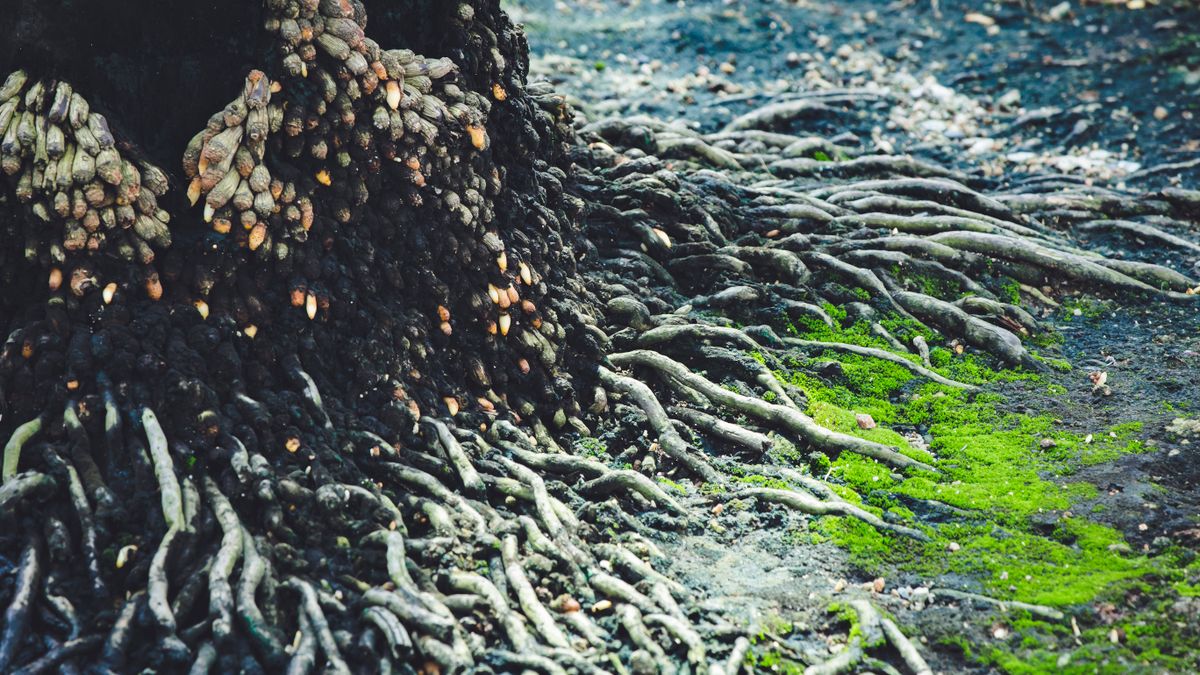
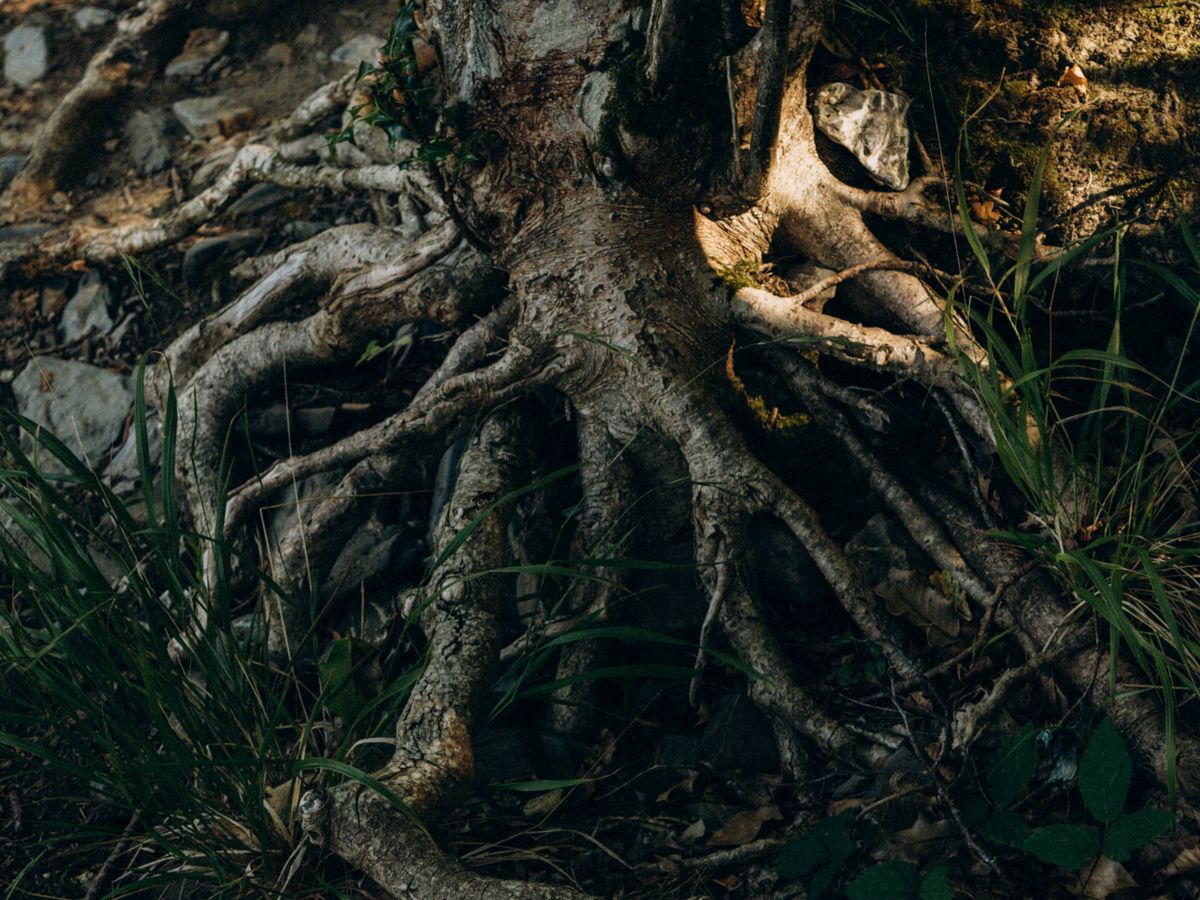
Tree roots do not usually break into sound, tightly sealed pipe. They find a way in where the pipe is already open: a joint between sections of clay tile, a crack, a gap where a pipe has shifted, or a poorly sealed connection. Warm, moist air and a slow trickle of water escaping from those openings draw fine roots toward the pipe, especially in dry weather.
Once a hair-thin root slips inside, it has everything it needs. It grows quickly, branches out and forms a dense mass. The first sign is often a slow toilet or a gurgling basement drain. Over time the mat catches more debris until the line backs up, sometimes after a busy weekend of laundry and showers.
More than one drain slow at once? That points to the main line. Talk it through on the phone.Open 24/7 · Talk to a local provider in Loveland
Call 24/7 (970) 693-9705Emerald ash borer is an insect that kills ash trees by feeding under the bark. Loveland has known it was coming for years; a 2015 plan reported by KUNC called for removing about 800 city ash trees over eight to ten years. Since the insect was confirmed here in 2024, more homeowners are deciding whether to treat, remove or replace ash trees on their own lots.
For your sewer line, the key point is that a dying or removed tree's roots stop growing, but the roots already inside the pipe do not vanish. They can remain as a woody, decaying clump that still blocks flow. If a large ash stood near your sewer path, it is smart to have the line checked when the tree comes out, rather than waiting for a backup. Replacement planting is also a chance to put new trees farther from the line.
Roots are cleared mechanically. A cable machine with a cutting head can bore through a root mass, and high-pressure water jetting can scour the pipe walls and flush out the fine root hairs a cutter leaves behind. Our page on hydro jetting Loveland explains when a provider might choose water over a cutter.
Cutting is not a permanent fix, because the opening that let the roots in is still there. After clearing, a camera inspection shows where the roots entered. If it is one or two joints, a spot repair or a lined section may close the door. If the whole line is old clay with roots at many joints, the conversation moves toward lining or replacement. Some owners also schedule routine root cutting on a regular interval when a full repair is not yet in the plan.
Sewage in the basement at night? Stop using water and call now.Open 24/7 · Talk to a local provider in Loveland
Call 24/7 (970) 693-9705A tree on your own lot is your responsibility, and so are roots in your private sewer line, which the City of Loveland newsletter treats as the homeowner's responsibility. Trees in public spaces are managed by the city's Urban Forestry program. If a public tree near your property is declining, or you have questions about emerald ash borer, the city's forestry staff are the right people to ask.
Whatever tree the roots came from, the clog itself is in your line, so the clearing and any repair are usually on the owner. Ask Loveland Water and Power at 970-962-3000 if you are unsure where your line ends.
Root trouble is most common where two things meet: mature trees and old pipe with many joints. Clay tile sewer lines were laid in short sections, and every joint is a possible entry point. Neighborhoods built long ago tend to have both large trees and original or older sewer laterals.
Newer homes usually have plastic pipe with glued or gasketed joints that resist roots better, though a crack, a bad connection or ground movement can still open a gap. No pipe material is a guarantee, so a camera look is the only way to know what is going on under your particular yard.
If your drains are slowing and an ash or other large tree stands near the sewer path, start by getting the line cleared and inspected with a camera. The video will show whether roots are present, how far out they are and whether the pipe is cracked, offset or simply growing roots at the joints. That information is what lets you choose between routine cutting and a lasting repair.
Loveland Drain Clean is a free referral service. Call (970) 693-9705 and we will connect you with an independent local provider who can clear the line and explain what the camera shows. Older blocks with big trees are common in the historic core, which our Downtown Loveland drain cleaning page covers in more detail.
Water coming up in the floor drain? Call (970) 693-9705 for a local provider.Open 24/7 · Talk to a local provider in Loveland
Call 24/7 (970) 693-9705Local problem · November 4, 2026
What the city says about sewer clogs, shared lines and who pays for what.
Local problem · November 4, 2026
How swelling and shrinking clay soil affects the sewer line under your yard.

Local problem · November 4, 2026
Clay, cast iron and Orangeburg pipe in Loveland's oldest neighborhoods.
No. The roots stop growing, but any already in the pipe stay until they are cut or flushed out. A camera check after removal is a good idea.
Some products are sold for this, but they do not remove an existing root mass or fix the joint the roots came through. Read the label carefully and ask a provider before using one.
The City of Loveland's Urban Forestry program manages public trees. Roots in your private sewer line are still the homeowner's responsibility to clear.
Talk to a local provider
One call connects you with an independent drain and sewer contractor who works in Loveland. They explain the likely cause and how the price is set before any work starts.
(970) 693-9705