
Local problem · November 4, 2026
Who Pays for a Clogged Sewer Line
What the city says about sewer clogs, shared lines and who pays for what.
Read the guide
Published November 4, 2026 · Loveland Drain Clean
When a drain or sewer line clogs, the two tools you will hear about most are a snake and a water jet. They solve different problems, and knowing the difference helps you ask better questions.
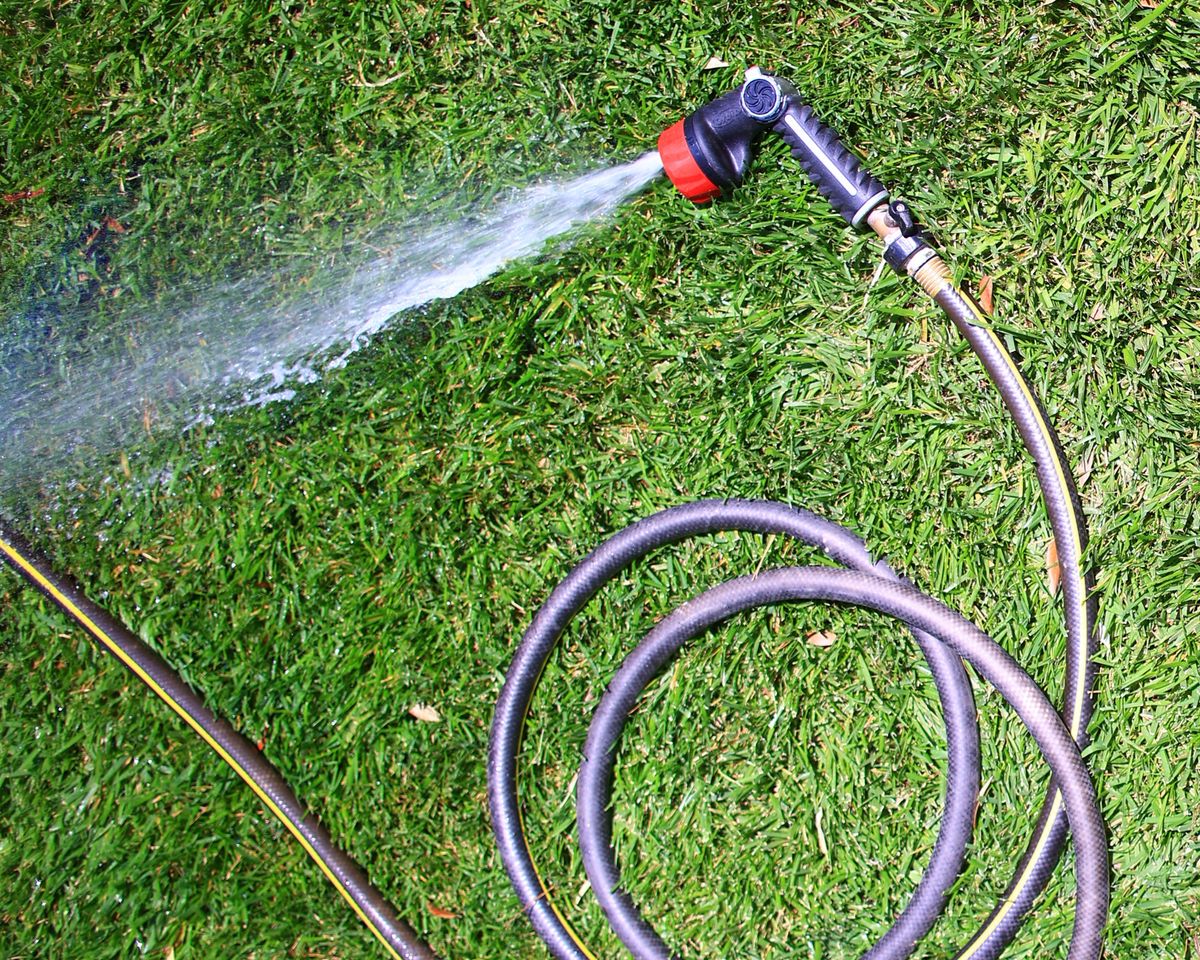
A drain snake, also called an auger or cable machine, punches through or grabs a blockage so water can flow again. It is fast, simple and usually the first tool used on an ordinary clog. Hydro jetting sends water at very high pressure through a hose with a special nozzle that scours the inside of the pipe, washing away grease, sludge and fine roots along the walls.
Put simply, a snake opens a hole through the clog, while a jet cleans the pipe. If a line clogs once, a snake is often enough. If it keeps clogging from grease or buildup, jetting is usually the better long-term clean, as long as the pipe is in good enough shape to handle it.
A snake is a flexible steel cable that spins as it is fed into the drain. Small hand-held snakes handle sink and tub traps. Larger machines with interchangeable cutting heads handle main sewer lines, where they can chew through paper clogs and cut root masses.
The strength of a snake is that it goes straight to the blockage and gets water moving quickly. Its limit is that it usually leaves some material behind. A cutter might bore a hole through a grease plug or a root mat, but the coating on the pipe walls stays, and the clog can rebuild over months. That is why a snake is often the right first step, followed by a camera look if the problem repeats.
Sewage in the basement at night? Stop using water and call now.Open 24/7 · Talk to a local provider in Loveland
Call 24/7 (970) 693-9705A jetting machine pumps water through a reinforced hose to a nozzle with backward-facing jets. Those jets pull the hose forward through the pipe while blasting the walls clean. Different nozzles are used for different jobs: some are designed for grease, some for cutting roots and some for flushing sand and sediment.
Because it cleans the full diameter of the pipe, jetting is good at restoring flow in lines coated with grease or sludge, and at flushing out the fine root hairs a cutter leaves behind. Our page on hydro jetting Loveland covers what the process involves and what to expect on the day.
High-pressure water is powerful, and that is not always a good thing. Pipe that is cracked, badly corroded, separated at the joints or made of deteriorating Orangeburg can be damaged by aggressive jetting. Orangeburg, a fiber-and-coal-tar pipe used until the 1970s, is a particular concern in older homes because it softens and deforms with age.
That is why many providers run a camera first, or at least after an initial snake, before recommending jetting on a main line. If the pipe is fragile, the safer answer may be gentle clearing followed by a repair or replacement plan, rather than a deep clean of a pipe that is already failing.
Water coming up in the floor drain? Call (970) 693-9705 for a local provider.Open 24/7 · Talk to a local provider in Loveland
Call 24/7 (970) 693-9705Loveland's city water is soft. The 2024 water quality report lists average hardness at 27 milligrams per liter, about 1.6 grains per gallon, which the city describes as soft. That means heavy mineral scale is less of a factor here than in hard-water towns.
The usual suspects in local lines are kitchen grease, which the city warns can plug sewers, roots growing into joints of older pipe, and debris such as wipes. Jetting is well suited to grease coatings and fine roots, while a cutter on a cable machine is often the first tool against a thick root mass.
Small hand augers for sinks and tubs are widely sold and work on many simple clogs near the fixture. Go gently, and stop if you feel the cable bind or kink. Main-line machines are heavier and can injure an inexperienced user or damage a fixture, so most homeowners leave sewer lines to a provider.
Jetting is not a do-it-yourself job. The pressures involved can cut skin and damage pipe if used wrong. Skip chemical drain openers too; they rarely clear a main-line clog and can make the work riskier for whoever comes next.
There is no single best tool. For a first-time clog, a snake is often quick and effective. For a line that clogs again and again, especially from grease, jetting usually cleans it more thoroughly. For an old or damaged pipe, a camera inspection should come first, and the answer may be repair rather than more cleaning.
Loveland Drain Clean is a free referral service. Call (970) 693-9705 and we will connect you with an independent local provider who can explain which method they recommend for your line and why.
More than one drain slow at once? That points to the main line. Talk it through on the phone.Open 24/7 · Talk to a local provider in Loveland
Call 24/7 (970) 693-9705Local problem · November 4, 2026
What the city says about sewer clogs, shared lines and who pays for what.

Local problem · November 4, 2026
Roots, emerald ash borer and what a declining ash means for your sewer line.
Local problem · November 4, 2026
How swelling and shrinking clay soil affects the sewer line under your yard.
No. Jetting cleans more thoroughly, but a snake is often faster for a simple clog, and jetting is not safe for every pipe.
Tell the provider first. Orangeburg weakens with age, and many will run a camera before using high pressure on it.
If several fixtures back up at once, or the basement floor drain fills when you flush, the clog is likely in the main line rather than one drain.
Talk to a local provider
One call connects you with an independent drain and sewer contractor who works in Loveland. They explain the likely cause and how the price is set before any work starts.
(970) 693-9705